Merino Yarn: Versatility and Benefits
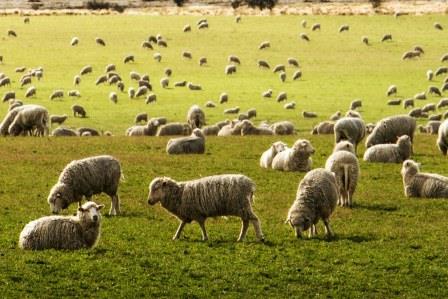
Merino wool is a natural fiber obtained from Merino sheep, renowned for their exceptional fleece. This yarn has gained worldwide recognition for its softness, thermoregulation properties, and versatility in use.
Merino yarn is a natural, renewable material valued for its softness, thermoregulation properties, and versatility. Here’s what can be made with it:
- Clothing: Warm sweaters, scarves, hats, and winter underwear, ideal for retaining heat.
- Baby items: Soft blankets, onesies, and booties, safe for delicate skin.
- Home textiles: Cozy throws, pillows, and rugs.
- Sportswear: Thermal layers, socks, and shirts, perfect for moisture-wicking and warmth, even when wet.
Benefits of Merino Yarn:
- Thermoregulation: Keeps you warm in cold weather and cool in heat.
- Antibacterial properties: Prevents odors and stays fresh longer.
- Softness and hypoallergenic: Gentle on sensitive skin, including babies.
- Eco-friendly: Sustainable and biodegradable
Merino yarn combines comfort, durability, and environmental responsibility, making it ideal for crafting practical, long-lasting products.
How it operate?
SCOURING:
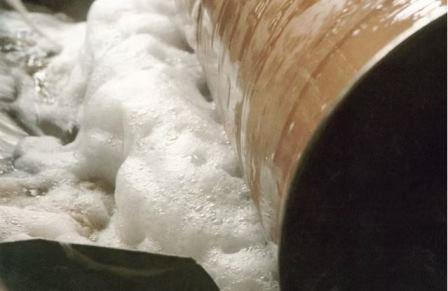
Shorn wool is referred to as greasy wool due to its high content of grease, primarily composed of lanolin, as well as other impurities like dirt, dust, and sand. The level of contamination in the fleece can vary depending on the terrain and environmental conditions where the sheep graze. On average, these contaminants make up about 35% to 40% of the total weight of the fleece.
CARDING:
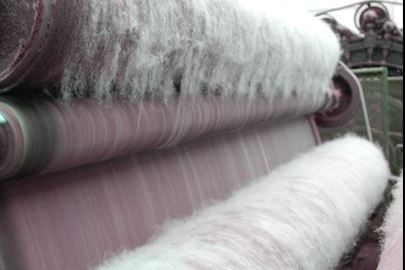
Break apart clumps of fibers, separating them into individual strands. Align the fibers so they run parallel to one another. Eliminate short fibers. Further blend the fibers by thoroughly intermixing them. Remove as many remaining impurities as possible, including vegetable matter, dirt, and dust. Compress the processed fibers into a continuous strand known as a card sliver.
GILLING:
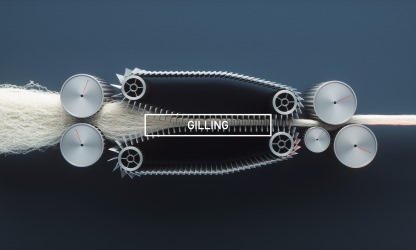
Wool is processed through a specialized gilling machine equipped with an auto-leveling system. This system continuously monitors the linear weight of the slivers entering the machine and adjusts the machine’s speed accordingly. If the incoming slivers are heavier, the machine speeds up, and if they are lighter, it slows down. This ensures that the sliver produced has a consistent linear weight (grams per meter) throughout its entire length.
COMBING:
Remove short fibers, known as noils, which, if left in the material, could reduce efficiency during spinning, impair the smoothness and appearance of the fabric, and negatively affect the durability of finished garments (e.g., increased pilling).
Eliminate neps, which are tiny fiber clusters primarily formed during the carding process.
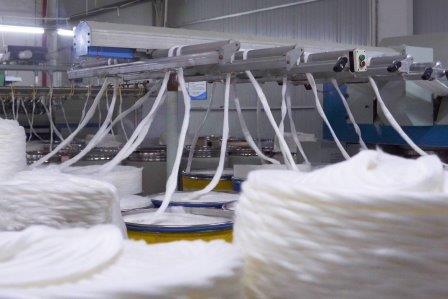
SPINNING:
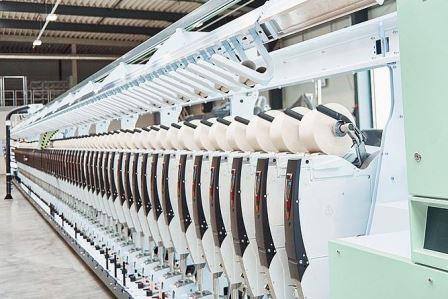
During worsted spinning the roving is first drafted, in the drafting zone on the spinning machine, before entering the twisting zone where a predetermined amount of twist is inserted to produce a singles (1xply) yarn.
The yarn is then wound on a winding machine which is fitted with a clearing device, detecting and removing any faults such as thick and thin places, neps and slubs.
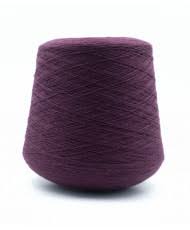
At your request, we manufacture…
- 100% Wool yarn from 10 Nm to 120 Nm
- Wool/Acrylic yarn from 10 Nm to 120 Nm
- Wool/Acrylic/Nylon from 10 Nm to 120 Nm
- We also can make the composition agree your request…
| Color | No of color | Color | No of color | Color | No of color | Color | No of color |
|---|---|---|---|---|---|---|---|
 | TKY01 |  | TKY07 |  | TKY14 |  | TKY20 |
 | TKY02 |  | TKY08 | 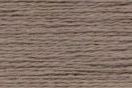 | TKY15 |  | TKY21 |
 | TKY03 |  | TKY09 |  | TKY16 |  | TKY22 |
 | TKY04 |  | TKY10 |  | TKY17 | 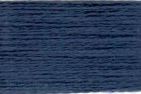 | TKY23 |
 | TKY05 |  | TKY11 |  | TKY18 |  | TKY24 |
 | TKY06 |  | TKY12 |  | TKY19 |  | TKY25 |
We can also produce yarn based on your request, matching the PANTONE color chart