Here’s the information about types of textile fibers:
Natural Fibers
- Plant-based fibers
- Cotton (from cotton plant bolls)
- Linen (Flax) (from flax plant stems)
- Jute (from the bark of jute plants)
- Sisal (from agave leaves)
- Kenaf (from kenaf plant stems)
- Animal-based fibers
- Wool (sheep, alpaca, merino, cashmere, angora)
- Silk (natural silk from silkworms)
- Camel hair
- Goat hair (cashmere, angora)
Chemical Fibers
- Artificial fibers (produced from natural materials like cellulose):
- Viscose
- Modal
- Lyocell (trade name: Tencel)
- Acetate fibers
- Synthetic fibers (made from chemical polymers):
- Polyester
- Nylon (Polyamide)
- Acrylic
- Elastane (Spandex, Lycra)
- Polypropylene
Each type of fiber has its own characteristics, and the choice of material depends on its intended use: strength, softness, moisture resistance, and other factors. Let me know if you need more detailed information on any specific fiber!
We won’t overwhelm you with all the details — you can always find more in-depth information on Wikipedia. What’s important to understand is that yarn made from different fibers, or their blends, has unique properties. Therefore, choosing the right yarn should be based on the specific results you want to achieve and the characteristics that matter most to you…
The main types of yarn production methods
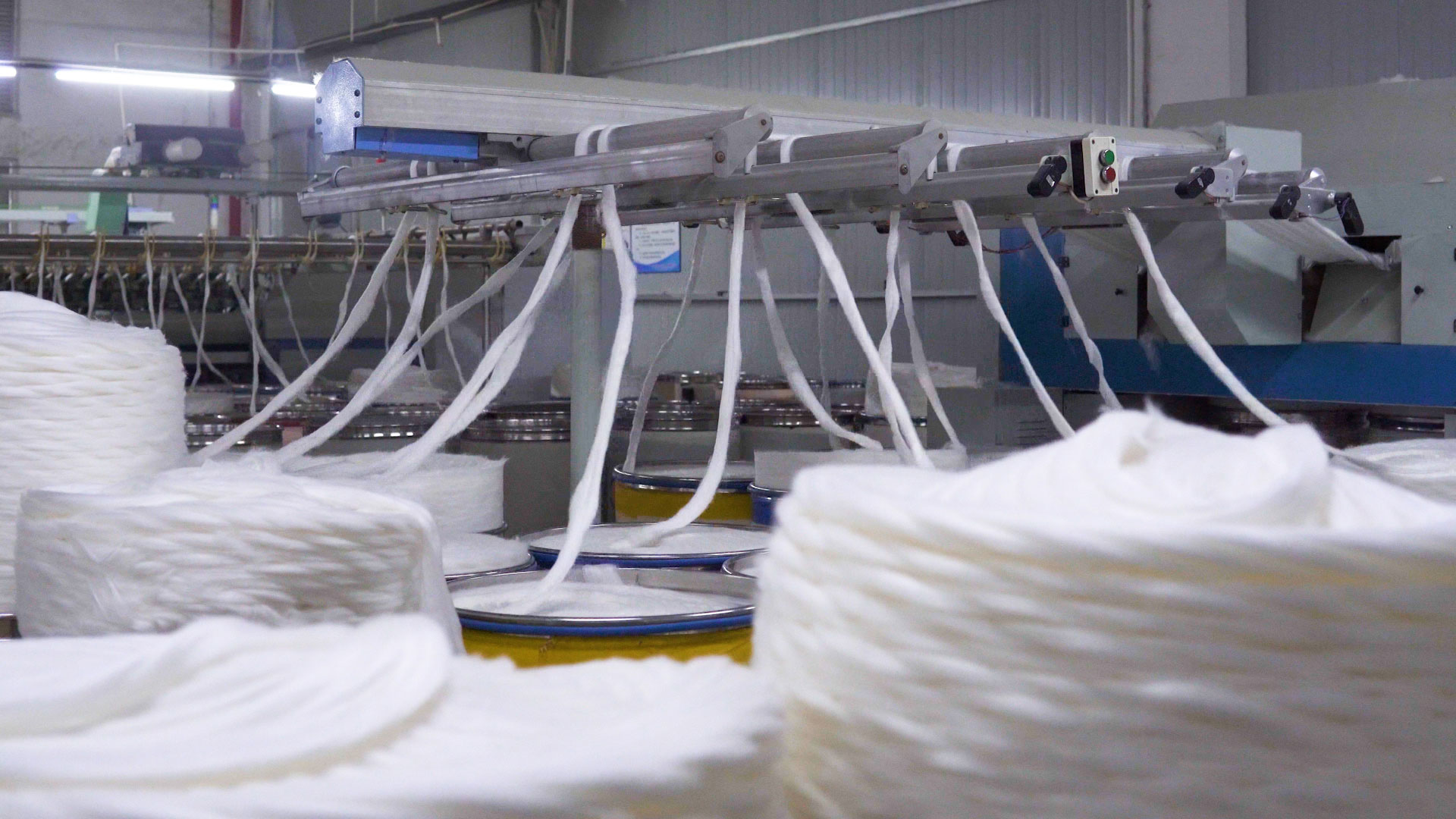
Textile fibers, whether natural or synthetic, serve as the foundation for creating yarn. However, the process of turning these fibers into yarn can vary significantly depending on the desired characteristics of the final product. Below are the main types of yarn production methods:
1. Ring Spinning
This is a classic and the most common method of yarn production. The fibers are twisted and stretched using a spindle and ring, producing strong and high-quality yarn.
Features:
- High density and strength of the yarn.
- Suitable for fine, medium, and coarse yarns.
- A slower process but ensures excellent quality.
2. Open-End Spinning (Rotor Spinning)
The yarn is produced using a rotating rotor. Fibers are fed into the rotor and twisted into a yarn.
Features:
- Faster production speed.
- Suitable for medium and coarse yarns.
- The yarn is less durable compared to ring-spun yarn.
3. Air-Jet Spinning
This method uses air jets to twist fibers into yarn.
Features:
- Very high production speed.
- Produces smoother but less durable yarn.
- Commonly used for blended fibers (e.g., polyester + cotton).
4. Self-Twist Spinning
The yarn is formed by automatically twisting fibers together.
Features:
- Simple technology.
- Suitable for textured and loose yarns.
5. Blended Yarn Production
This method involves mixing different types of fibers (e.g., natural and synthetic).
Features:
- Allows for the creation of unique properties (e.g., elasticity, softness).
- Widely used in the textile industry.
6. Fancy Yarn Production
This involves adding decorative elements to the yarn (e.g., knots, loops, thick sections).
Features:
- Creates an unusual and decorative appearance.
Commonly used in fashion apparel and accessories.
The yarns we supply…
The yarns we supply are carefully selected to offer a perfect blend of quality and variety, catering to all your crafting needs.
Open-End Yarn
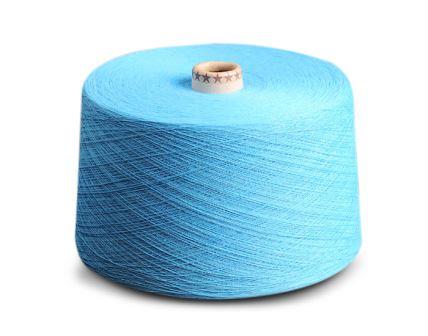
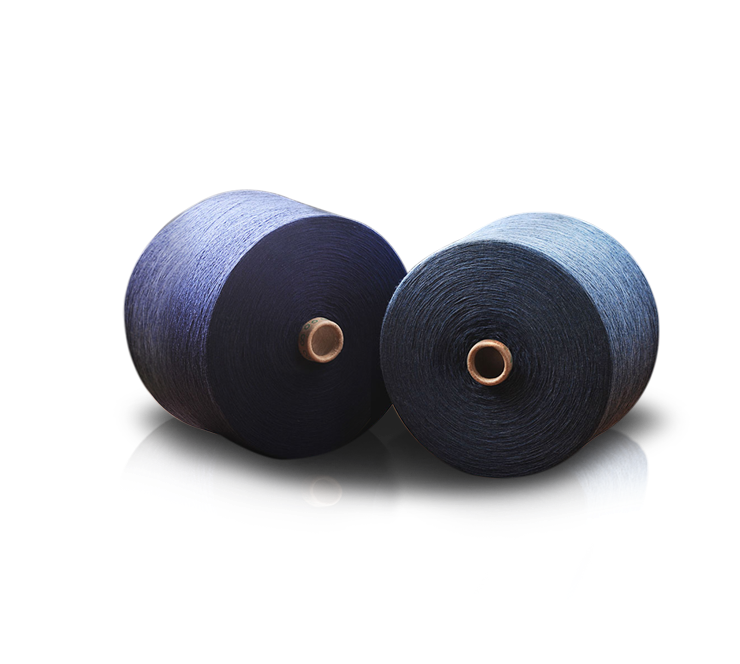
The yarns offered are made from recycled fibers and produced using advanced Open-End machines. Available in a variety of colors and thicknesses, these yarns come in several blends, including cotton/polyester, cotton/Repreve, wool/acrylic/polyester, and 100% polyester. These eco-friendly yarns are used in applications such as socks, towels, knitwear, and fabrics for weaving and knitting. Custom colors and specific twists are also available, enhancing their versatility for different uses. All products comply with international recycling standards, certified by the GRS (Global Recycled Standard).
Wool Yarn
Wool yarns are made from long fibers of varying lengths, which are spun into worsted yarns ideal for weaving and knitting. These yarns are strong enough to endure subsequent processing stages, ensuring durability throughout the manufacturing process.
Polyester Spun Yarn
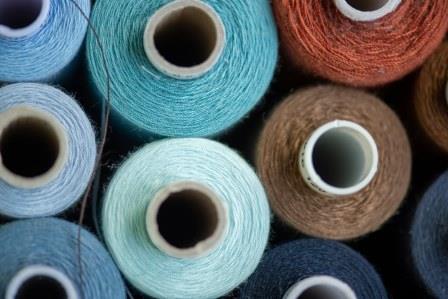
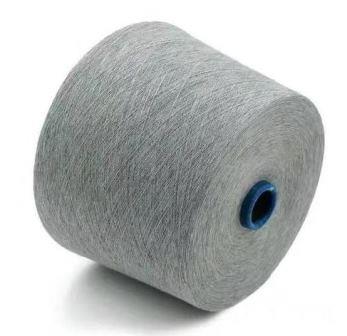
Ring-spun polyester yarn is a type of yarn produced using the ring-spinning method, known for its high strength and smooth texture. This process involves drawing and twisting fibers to create a denser and more uniform structure, making it ideal for knitting, weaving, and other textile applications.
Advantages include:
- Versatility for use in a wide range of fabrics, from knitwear to industrial textiles.
- High wear resistance.
- Smooth yarn surface for comfortable and aesthetically pleasing products.
Functional yarns
Our range of functional yarns is designed to meet the needs of modern textile manufacturing. These yarns combine technical performance with high durability, making them ideal for industrial knitting, weaving, and sock production.
We supply various types of functional yarns, including:
- Moisture-wicking yarns for activewear and performance textiles
- Antibacterial yarns for hygiene and medical applications
- Flame-retardant yarns for safety and protective fabrics
- High-elasticity yarns for stretch and comfort
- Recycled functional yarns made from sustainable materials such as regenerated cotton and polyester blends
All yarns are available for industrial-scale manufacturing and can be customized to specific technical requirements.
Technical Yarns | Industrial & Recycled Yarn Supplier UK
Elmika Ltd is a UK-based supplier of technical yarns for industrial-scale production.
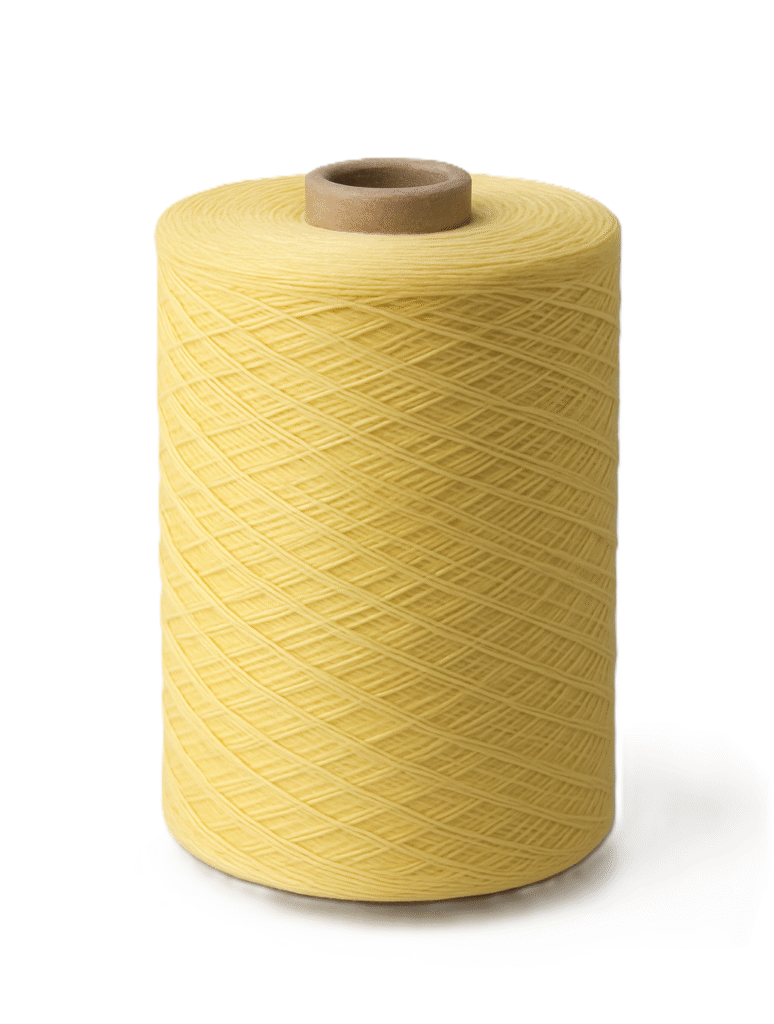
Our yarns are designed for high performance, strength, and reliability in demanding applications such as weaving, knitting, rope manufacturing, and protective fabrics.
We offer a wide range of technical and functional yarns, available in multiple fibre blends including:
- Polyester, nylon, and aramid yarns for durability and heat resistance
- Recycled technical yarns made from regenerated cotton and polyester blends
- High-tenacity yarns for industrial textiles and cord applications
- Speciality yarns for workwear, filtration, and engineered fabrics
All yarns are produced to meet industrial standards and can be customised for specific technical requirements.
Elmika Ltd supplies only wholesale quantities for textile manufacturers, ensuring consistent quality, traceability, and sustainability across all products.
Contact Us
Get in touch with us via email to receive a personalized quote for your yarn supply needs! We’re happy to assist you with tailored options and competitive pricing.